Building a more resilient food system requires more than increasing agricultural production. It calls for stronger supply chains, smarter farming, innovative financing and closer collaboration across borders. These priorities took centre stage as the Iskandar Regional Development Authority (IRDA) and PwC convened industry leaders to explore how the Johor–Singapore Special Economic Zone (JS-SEZ) could unlock new opportunities across the agrofood sector.
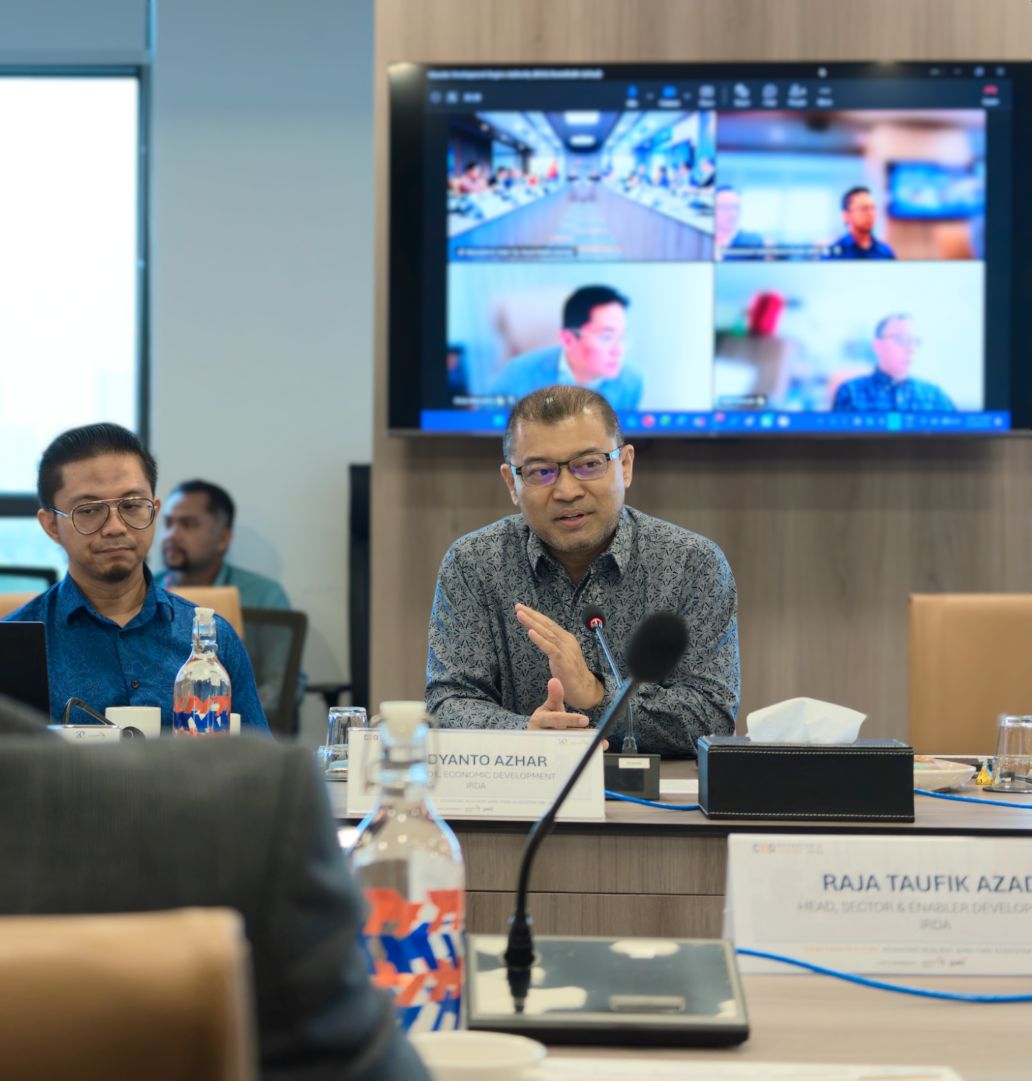
Held under the Iskandar Malaysia CEO Roundtable (IMCEORT) Series 2026, themed Agriculture & Food Security: Advancing Resilient Agrofood Systems in the Johor–Singapore Special Economic Zone (JS-SEZ), the closed-door discussion brought together invited businesses and industry representatives spanning agricultural production, precision farming, aquaculture, livestock, food innovation, digital technology and agro-financing.
The breadth of participation reflects the interconnected nature of food security. From the farm to the marketplace, the resilience of food systems depends on how effectively production, technology, logistics, financing and distribution work together. The JS-SEZ provides a platform to explore how closer economic cooperation between Johor and Singapore could strengthen these connections and create new commercial opportunities across the agrofood value chain.
Johor has a substantial agricultural base on which to build. According to the Department of Statistics Malaysia’s Agriculture Census 2024, the state recorded RM30.15 billion in total agricultural-sector income in 2023, the highest among Malaysian states. The challenge and opportunity now lie in building on this foundation to improve productivity, strengthen supply chain resilience and capture greater value through innovation, investment and access to regional markets.
The roundtable examined these opportunities through three interconnected areas: strengthening cross-border food supply chains against disruptions; accelerating smart farming and precision agriculture through artificial intelligence, automation and data-driven technologies; and exploring financing and policy enablers that could support the future development of the sector.
A key theme emerging from the discussion was that technology adoption alone will not transform the agrofood sector unless it is supported by viable business models, trusted data and market access. Participants highlighted Technology-as-a-Service models as a practical way to help smallholders access advanced solutions such as artificial intelligence (AI), drones and precision agriculture without incurring significant capital costs. There was also broad agreement on the need to strengthen foundational data systems, improve financing readiness among Small and Medium Enterprises (SMEs) and farmers, and develop integrated agrofood ecosystems anchored by processing infrastructure, logistics networks and committed offtake partners to improve the commercial viability of future investments within the JS-SEZ.
For cross-border supply chains, closer coordination and more efficient logistics could help businesses manage vulnerabilities and respond to disruptions. In agriculture, technologies such as AI, the Internet of Things (IoT), robotics and precision farming offer opportunities to improve resource efficiency and farm productivity. Bridging Singapore’s research and technology capabilities with Johor’s agricultural and commercial base could also open avenues for technology adoption and wider industry collaboration.
Financing remains another important consideration. Modernising agricultural operations and adopting new technologies require access to capital, suitable infrastructure and commercially viable business models. Exploring financing mechanisms, digital trade processes and stronger coordination among industry stakeholders could help address barriers to growth and support investment across the agrofood value chain.
“As Iskandar Malaysia marks its 20th anniversary, our focus is on translating two decades of development into new opportunities that strengthen regional competitiveness and create lasting economic value. Agrofood is an important part of this next phase, where Johor’s agricultural capabilities can be complemented by Singapore’s strengths in technology, innovation and access to regional markets. Through the JS-SEZ, we have an opportunity to look beyond traditional supply chains and explore a more integrated agrofood ecosystem, one that connects producers with technology, investment, logistics and markets. Closer collaboration across these areas can help businesses become more productive and competitive, while contributing to a more resilient regional food system,” said Rudyanto bin Azhar, Director of Economic Development, IRDA.
These discussions are particularly relevant as Iskandar Malaysia marks its 20th anniversary in 2026. Two decades of regional development have established a foundation for the region’s next chapter, with increasing emphasis on productivity, innovation and higher-value economic activities. Agrofood presents an opportunity to connect an established economic sector with emerging technologies and cross-border commercial networks, supporting a more diversified and resilient regional economy.
Through IMCEORT, IRDA provides a platform for industry leaders to exchange perspectives on strategic opportunities and challenges affecting Iskandar Malaysia’s development. Continued engagement with businesses, investors, technology providers and relevant stakeholders will be important in identifying practical opportunities, assessing commercial viability and exploring potential areas for collaboration.
Participants identified several priority areas for further exploration. These included assessing the feasibility of food-park and public-private partnership (PPP) models supported by shared infrastructure, evaluating Technology-as-a-Service approaches for smallholder adoption, strengthening agricultural data governance and interoperability, and developing investor-readiness frameworks to improve access to financing. The formation of a working committee to discuss risks and provide policy makers and industry players with foresight, using AI-enabled monitoring systems was also discussed. The roundtable findings will be consolidated into recommendations to complement the JS-SEZ Blueprint on Food Security and support future collaboration among government agencies, financial institutions, technology providers, research institutions and industry stakeholders.
“Food security is no longer just a question of how much food we produce; it is about how reliably we can grow, move, finance and deliver food in an increasingly complex environment. Building a more resilient agrofood system requires coordinated action across the entire value chain, supported by technology, commercially viable investment and closer cross-border collaboration. The JS-SEZ provides a timely platform to explore how Johor’s agricultural land, production capabilities and room for scale can complement Singapore’s strengths in research, innovation, financing and regional connectivity. The opportunity now is to translate these complementary strengths into practical business solutions — from smarter farming and more efficient supply chains to financing models that help innovation move beyond pilot projects and achieve scale”, said Thariq Adnan, Partner at PwC Malaysia.
Ultimately, the opportunity under the JS-SEZ extends beyond strengthening food supply. By connecting Johor’s agricultural capabilities with Singapore’s wider commercial and technology networks, the two economies can explore new ways to improve competitiveness, encourage innovation and create greater value across the agrofood sector.
As Iskandar Malaysia enters its next phase of growth, the ambition is to build on its 20-year legacy by turning regional strengths into new opportunities for businesses, strengthening cross-border collaboration and advancing a more productive, connected and resilient economic future.