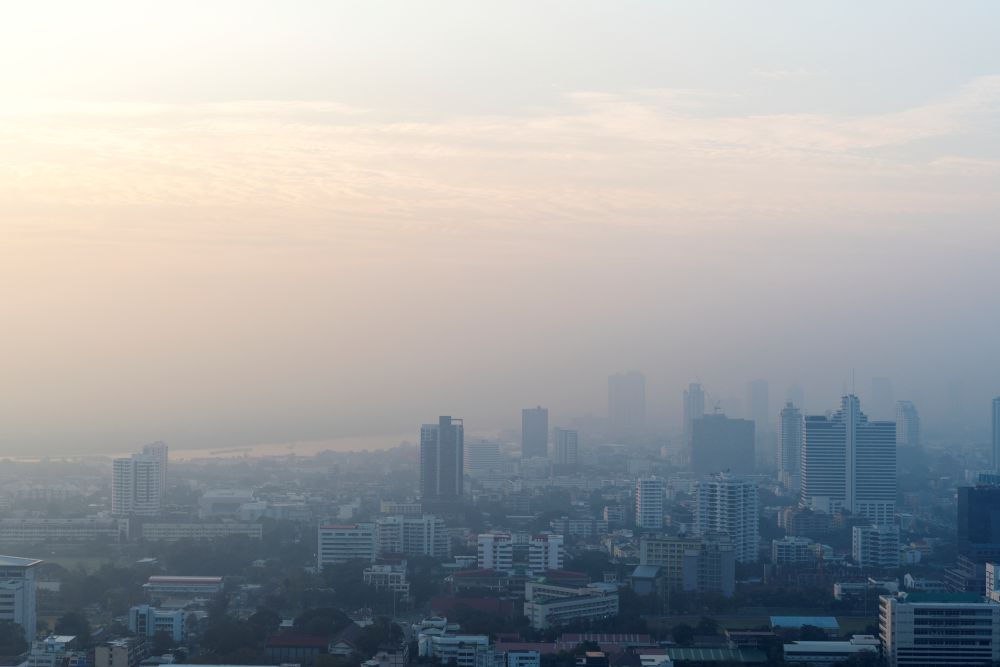
Have you ever stepped outside on a hazy day and felt your eyes sting, itch or burn? Perhaps they turned red, became unusually watery, or felt as though someone had sprinkled sand into them.
And just when you thought things could not get any stranger, your supposedly “dry” eyes started watering like you were watching the finale of a tragic drama.
Welcome to the confusing world of dry eye, where your eyes can feel like a desert while behaving like a waterfall!
But before you blame your tears, your contact lenses or that colleague who keeps making terrible jokes, let us talk about something much closer to home: haze and its impact on your eye health.
Your Eyes Have Their Own Protective Raincoat
Your eyes are not simply two windows through which you admire the world. Their surfaces are protected by a delicate tear film — a thin, carefully balanced layer of moisture that keeps your vision clear and your eyes comfortable.
Think of it as a miniature raincoat for your eyes. It lubricates the surface, helps wash away tiny particles and protects against everyday environmental irritants.
Now imagine exposing that raincoat to smoke, dust and airborne pollutants for hours. It is not exactly a spa day!
Haze contains fine particles and other pollutants that can irritate the eye surface and disturb the tear film. As a result, tears may evaporate more quickly, leaving the eyes feeling dry, gritty, itchy or uncomfortable. People who already have dry eye disease or eye allergies may find their symptoms getting worse.
In other words, the haze does not need an invitation to irritate your eyes, it simply turns up unannounced.
Dry Eyes, Watery Tears: What’s the Logic?
One of the most common questions I hear as an optometrist is:
“Why are my eyes watering so much, if they are dry?”
When the eye surface becomes irritated, the body may respond by producing a sudden burst of watery reflex tears. Unfortunately, these tears may not provide the stable, long-lasting lubrication your eyes actually need.
It is a little like trying to put out a house fire with a garden sprinkler. There is plenty of water, but it may not solve the underlying problem.
Dry eye symptoms can include:
- A gritty or sandy sensation.
- Burning, stinging or itching.
- Redness and excessive watering.
- Blurred vision that fluctuates and may briefly improve after blinking.
- Tired, uncomfortable eyes, especially after reading or using digital screens.
If these symptoms sound familiar, your eyes may be asking for help.
The Haze Is Not the Only Villain
As much as we would like to blame everything on the weather, haze is rarely the only culprit.
Our modern lifestyle has assembled quite a team of troublemakers.
Air-conditioning: Air conditioning is wonderful for surviving Malaysia’s heat, but direct airflow and low humidity can encourage tears to evaporate faster.
Digital screens: When we concentrate on our phones, laptops or tablets, we tend to blink less frequently or incompletely. Our tear film gets fewer opportunities to refresh itself.
Contact lenses: These can become less comfortable when the eyes are already dry or irritated, particularly in polluted conditions.
Existing dry eye or eye allergies: If your eyes are already sensitive, haze may be the final straw.
Give Your Eyes a Break: An Optometrist’s Survival Guide
The good news is there are practical steps you can take to help your eyes stay more comfortable during hazy conditions.
- Spend less time outdoors when air quality is poor.
Check the local Air Pollutant Index (API) and follow public health advice. Reduce unnecessary outdoor exposure, particularly when pollution levels are unhealthy.
- Wear protective eyewear.
Spectacles or wraparound sunglasses can help reduce direct exposure to wind and airborne irritants. They are not a complete seal against pollution, but they can provide a useful physical barrier.
- Stop rubbing your eyes. Seriously.
I know, itchy eyes make rubbing almost irresistible. However, rubbing can worsen irritation and potentially damage the delicate eye surface, especially if particles are present.
Instead, wash your hands and gently rinse irritated eyelids or the surrounding skin with clean water. Avoid directing contaminated water into your eyes.
- Consider lubricating eye drops.
Artificial tears may help relieve dryness and improve comfort. Ask your optometrist or pharmacist which product is suitable for you. Preservative-free formulations may be preferable if you need frequent application.
Avoid using random medicated eye drops, particularly steroid or antibiotic drops, without professional advice.
- Give your screens a little less attention.
Take regular breaks, look into the distance and blink fully and deliberately. Your eyes deserve more breaks than your social media feed.
- Give contact lenses a holiday if they become uncomfortable.
Switch to spectacles while your eyes recover from irritation. If you experience pain, redness or persistent discomfort, remove your contact lenses and seek professional advice.
- Make your indoor environment more eye-friendly.
Keep air-conditioning vents and fans from blowing directly at your face. When appropriate, use a clean air purifier and maintain comfortable indoor humidity.
When Should You See an Optometrist?
Occasional irritation may improve when you reduce exposure to haze. However, persistent symptoms should not be dismissed as merely another inconvenience of living in a polluted environment.
An optometrist can assess your tear film, eyelids and eye surface to determine whether dry eye, allergies or another condition may be contributing to your discomfort.
Seek urgent medical assessment if you experience significant eye pain, marked light sensitivity, substantial redness, or a sudden change in vision. These symptoms should not automatically be attributed to dry eye or haze.
Remember, not every irritated eye needs the same treatment. The right solution begins with identifying the cause.
A Final Word: Don’t Wait Until Your Eyes Stage a Protest
We cannot always control the weather, and we certainly cannot negotiate with haze. But we can take sensible steps to protect our eyes.
Drink enough water, get adequate rest, blink properly, reduce exposure to polluted air and seek advice when symptoms persist. Most importantly, do not ignore your eye discomfort simply because everyone else is complaining about the haze too.
Your eyes work tirelessly from the moment you wake up until you finally put your phone down at night. They help you read, drive, work, recognise familiar faces and enjoy the little things that make life meaningful.
You only have one pair of eyes, so do not wait until they start complaining.
The next time the sky turns grey, consider not only what you breathe, but also what your eyes are exposed to. When the skies turn grey and your eyes begin to protest, remember this: the haze may be outside, but looking after your eyes starts with you.
Book an eye examination. Your eyes will thank you, preferably without the tears!