Businesses face a growing risk from AI-powered impersonation scams as fraudsters become increasingly capable of creating convincing digital replicas of executives and trusted individuals, cybersecurity experts warn.
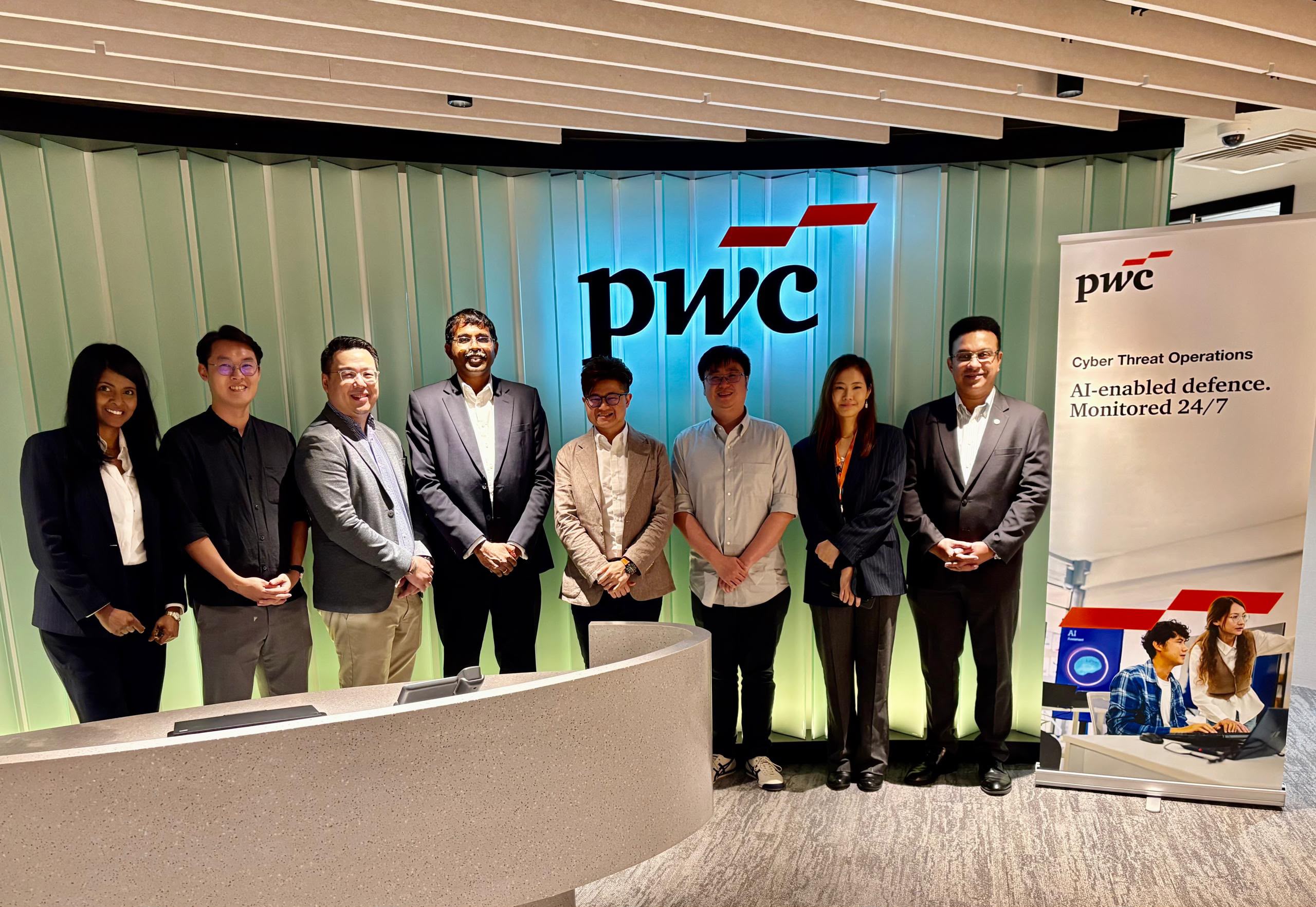
The risk was brought to life at the PwC Malaysia’s Southern Region Boardroom Series event, “The Board Agenda: Leading Through Cyber Risk, AI and Uncertainty”, where participants watched a virtual replica of PwC Malaysia’s Southern Region Assurance Partner, Manohar Johnson, appear on screen while the real Johnson was seated across the room.
The demonstration showed how easily technology can blur the line between a genuine person and a digital impersonation, raising concerns over how such techniques could be used in sophisticated scams targeting businesses.
PwC Malaysia Partner and Digital Trust and Cybersecurity Leader Clarence Chan and his cybersecurity team used the simulation, along with real-world examples, to highlight the need for organisations to strengthen their defences as cyber threats evolve alongside artificial intelligence (AI).
Participants were also given a glimpse into PwC Malaysia’s Cyber Threat Operations, where cybersecurity specialists work to help organisations stay ahead of emerging and sophisticated threats.
Chan stressed the importance of testing cybersecurity defences before an actual breach occurs. Penetration testing, red teaming, and simulated attacks can help organisations uncover vulnerabilities, assess their response capabilities, and improve their readiness for real-world attacks.
Laid out inlaymen’s terms, coupled with true stories from his own experience, Chan stressed the part: the hackers did not breach into the system, but they log on. It took just one deceived person that placed their passwords into a dummy website, a vacant USB plug point in the workplace, for your system to be hacked.
The session brought together business leaders from different industries, providing a platform to exchange experiences and discuss the challenges posed by cyber risk, AI and growing uncertainty. The question-and-answer session pulls together these leaders to think of what they would want to protect the most in their system, or, as Clarence and his team dubbed it, the crown jewel, before they could consult on what to do next for the protection plan.
Chan leads the Digital Trust and Cybersecurity practice at PwC Malaysia, covering cybersecurity, data privacy, cloud trust, technology risks and regulatory compliance.
He also oversees PwC Malaysia’s Cyber Threat Operations for the two markets, which provides managed detection and response, red teaming, and threat intelligence services to local and regional clients.