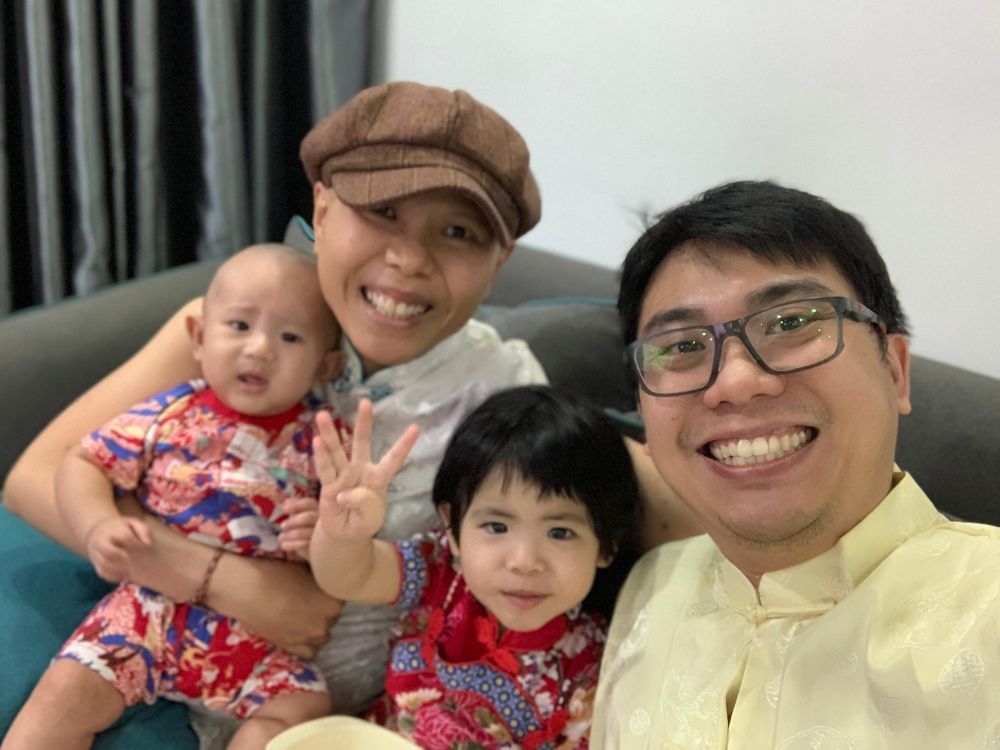
After learning she had breast cancer, Tan Chiew Mei cried through the night. She was pregnant with her second child and had a young daughter at home. She wondered who would look after her daughter if she were no longer there.
Then she focused on two things: “I want to get it treated. And I want to keep my baby.”
Tan, then 37, had found a hard lump in her breast. She recalls feeling reassured after an initial ultrasound. But another assessment two weeks later found that it had grown, leading to a biopsy. The diagnosis was triple-negative breast cancer, the type she had feared after reading online.
Chemotherapy began within days. With appointments and decisions coming quickly, she concentrated on getting through treatment. Understanding what to ask was less straightforward.
What if I do not know what to ask?
Tan was not too shy to speak, but often, she simply could not think of a question during a consultation. She would listen, say “okay” and draw a blank when invited to ask more.
“I just didn’t know what to ask,” she recalls.
She trusted her doctors with the major treatment decisions. However, trusting the plan did not mean she understood every change she experienced along the way, so she made it a point to ask about everyday concerns, from itchy skin to sore gums.
Looking back, she encourages patients to prepare for appointments and ask questions about everything, even the things that seem small, rather than dismissing them.
What is the plan, and why this one?
For a woman diagnosed with breast cancer during pregnancy, decisions about treatment can feel especially difficult as she worries about both her own health and her baby’s wellbeing, says consultant clinical oncologist Dr John Low Seng Hooi, of OncoCare Malaysia.
Navigating these concerns requires a treatment plan that considers both mother and baby, he explains. The choice of medicines, their timing and monitoring require close coordination between the oncology team, obstetrician and breast surgeon. As not all cancer medicines are suitable during pregnancy, the plan must also take into account each woman’s circumstances.
Dr Low encourages patients to understand what their treatment aims to achieve, why it is recommended, how long it may take, possible side effects and what they should watch for at home.
A patient can also ask what the cancer’s type and stage mean for her own treatment, rather than trying to interpret a report alone. These conversations need not be confined to the first appointment; different concerns may arise along the way.
Support beyond medication matters as well. Dr Low encourages patients to ask about counselling, psychological support and patient groups that may help them navigate the experience.
“There are no questions that you cannot ask your treatment team,” he says.
How will treatment affect everyday life?
For Tan, one of the hardest moments came after childbirth. She recalls an induced delivery followed by surgery the next morning. Waking weak and in pain, she cried again. “I felt very emotional, when I realised how difficult it had been to get to this point, and the journey was not over yet.”
There was now a newborn to care for, alongside her older daughter, and more chemotherapy ahead. She also had to adjust to being unable to breastfeed her son during chemotherapy.
Some aspects of treatment were easier than she had feared: she could eat and did not vomit. However, being able to eat did not mean she felt well in every other way, and other symptoms were difficult. She lost her hair and experienced leg pain and tingling that made it hard to walk, as well as sore gums and itchy skin.
These symptoms affected her daily life and deserved attention alongside the major treatment decisions.
Who can help between appointments?
In her work with other patients, oncology nurse educator Norhaniza Bt Mohd Rashid hears similar everyday concerns. Questions often surface only after a consultation, when someone begins thinking about what treatment will mean at home.
Before the first chemotherapy cycle, she tries to include a caregiver when explaining what to expect. Patients receive a great deal of information, she says, and may not remember everything. She checks in during later cycles and encourages them to contact the team during office hours.
Some patients ask whether they can hug their children or share a bed with a spouse. She explains that chemotherapy does not mean they must stop hugging their children, while discussing precautions at home.
This makes it important to know who to contact at home too. Alongside asking what to expect from treatment, patients and their caregivers can ask their team which symptoms need urgent attention and what to do outside office hours, with some questions going back to the oncologist.
In many ways, Nurse Norhaniza’s approach is practical and responds to what each patient is struggling with. For someone with a poor appetite, she may suggest smaller, more frequent meals rather than large portions. For someone trying to keep working, she encourages them to recognise their energy limits rather than force themselves.
Tan had help with the demands outside the clinic, too. Her husband accompanied her to appointments, her mother cooked during chemotherapy, and siblings helped care for the children. Her boss checked the company’s prolonged illness leave policy, allowing her to take time away from work.
“Whenever there was a doctor’s appointment, the whole village would come to my house,” she recalls.
For another woman, the questions may be who can help with childcare, what leave is available or how to manage work while on treatment.
What if I do not feel positive?
Tan found distraction in K-dramas and when she felt able, she did light chores around the house to keep herself busy. She also remembers patients swapping experiences in the waiting area, where conversations made her feel part of a community.
However, while she was able to cope, this did not mean she never felt overwhelmed – her tears after surgery belonged to the same story as her humor and determination.
Nurse Norhaniza also encourages patients to do something manageable that they enjoy, whether it’s gardening or catching up with friends. When someone cannot face those suggestions, however, she asks what is worrying them most and listens.
“We need to listen with no rush,” she says.
Dr Low also hears fears about suffering and survival. While doctors can offer an informed estimate of a patient’s outlook, they cannot predict exactly how long someone will live. Much depends on the cancer’s type and stage, the person’s overall health and how they respond to treatment. For Dr Low, understanding what worries each patient is an important part of the conversation, alongside explaining how the team can help with treatment, symptom management and emotional support.
What comes after treatment?
Now a mother of three, Tan continues follow-up appointments and says her checks have been clear so far. Her way of approaching possible recurrence is to “deal with it as it comes”.
The end of treatment brings a different conversation: what follow-up is needed, which changes to report and where to turn with concerns between visits.
She also wishes she had sought advice sooner when she first noticed the lump, rather than waiting for her next pregnancy appointment. Her message is not to take their health for granted, to be disciplined about self-breast examinations and not to put off screening or having an unfamiliar change checked.
For a woman newly diagnosed, Madam Tan’s experience offers something less daunting than a perfect list of questions. There is room to begin with what matters most today: a symptom, a child, work, or a worry she cannot yet quite explain.
Her advice is simple: “Just ask whatever. Don’t feel shy to ask.”
| This article is contributed in conjunction with Breast Cancer Awareness Month to encourage women to ask questions, seek reliable information and access support throughout their breast cancer journey. If you have any questions about breast cancer, speak to your doctor or find out more from organizations such as the Breast Cancer Welfare Association (BCWA), Majlis Kanser Nasional (MAKNA) and the National Cancer Society Malaysia (NCSM). |