World Mental Health Day is a reminder to consider how work affects our wellbeing. From the pressure to remain available at all hours to heavy workloads and a lack of support, our working lives can have a significant impact on how we feel outside the office.
Jobstreet by SEEK’s Workplace Happiness Index 2026 found that 70% of Malaysian workers say they are happy at work. Yet 41% feel burnt out or exhausted, and only 36% are happy with their stress levels. The findings show something quite interesting: you can enjoy your job while still struggling with the day-to-day demands. Burnout can be a sign that something needs to change, but that change will look different for everyone. Before making a major career decision, take some time to pause and understand what your experience of work is actually telling you.
Here are five questions to ask yourself:
- Am I unhappy with my job, or am I struggling to switch off?
It is possible to enjoy your work and still feel like you are running on empty. The Workplace Happiness Index found that 41% of Malaysian workers feel burntout or exhausted. Workers who are unhappy at work are also twice as likely to report feeling burnt out. Start by looking at patterns. Are you constantly tired, dreading the start of the working week, or finding it difficult to switch off after hours? Or has your dissatisfaction with the role itself been building over time? Consider when these feelings began and whether they ease after a proper break. This can help you work out whether the issue lies with the role, the amount of work you are carrying, or the way work is affecting your ability to rest and recover.
The answer matters because changing jobs may not address the problem if the underlying cause is an unsustainable way of working.
2. What is causing most of my stress?
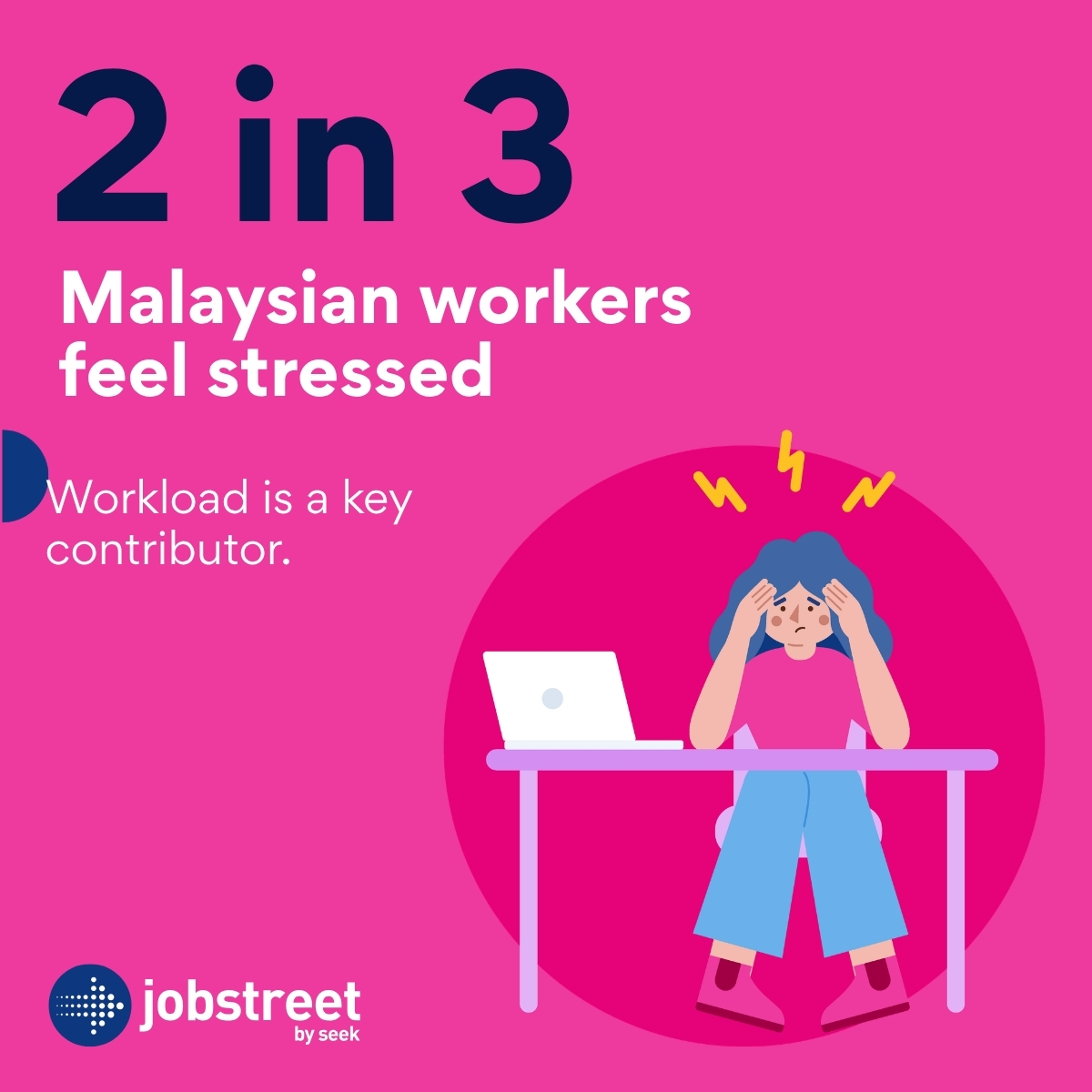
Sometimes, the job itself is not the problem, but the way the job is structured. Only 42% of Malaysian workers are happy with their workload, while 41% say better work-life balance would improve their happiness, second only to higher salary. The findings also highlight how differently stress can be experienced. Among workers who are unhappy at work, 71% feel burnt out or exhausted, compared with 35% of happy workers. This suggests that persistent stress and exhaustion may be worth looking at alongside broader feelings about your job.
Try to identify the specific source of pressure. Is your workload consistently too high? Are priorities unclear or deadlines unrealistic? Are you expected to remain available outside of working hours? Do you have enough flexibility to manage responsibilities outside work? Once you can name the problem, it becomes easier to assess whether it can be addressed. A conversation with your manager about priorities, deadlines, workload or flexibility may help establish whether you are going through a particularly difficult period or dealing with a working arrangement that is unlikely to improve.
3. Beyond my salary, does my work give me a reason to stay engaged?
Salary has a huge influence on how people experience work. In fact, 57% of Malaysian workers ranked a higher salary among the top five things that would make them happier at work. However, the Workplace Happiness Index found that purpose has the strongest relationship with workplace happiness, with day-to-day responsibilities being another major driver. Ask yourself what, beyond your salary, keeps you engaged?
Do you understand how your work contributes to something meaningful? Does your role make use of your strengths in the right way? Are your daily responsibilities helping you move towards the career you want? Financial security matters, but meaningful work and a sense of purpose can all influence whether a job feels sustainable and fulfilling over time.
4. Can I be myself and still grow here?
Discussions about Gen Z at work often centre on whether younger employees expect something different from their employers than previous generations. A more useful question is whether workplaces provide the conditions people need to feel supported at different stages of their careers. For Gen Z workers, the strongest drivers of workplace happiness include purpose at work (65%), day-to-day responsibilities (61%), company culture (61%) and work-life balance (58%). However, only 69% say they can be themselves at work, compared with 75% of Millennials and Gen X.
Gen Z workers also report the highest level of burnout: 45%, compared with 41% of Millennials and 36% of Gen X. These differences do not necessarily mean one generation is more or less authentic at work. People enter the workplace with different levels of experience, expectations and pressures, and these can shape how they experience their working environment.
If you are early in your career, ask whether your workplace allows you to learn, speak up and ask for help. Do you have supportive colleagues and meaningful responsibilities? Can you contribute ideas without feeling that you need to hide important parts of yourself? Being able to do good work, grow and feel accepted can make a significant difference to your experience of a workplace.
5. What could I try to change before deciding to leave?
A difficult period at work does not always have to end with a resignation letter. The Workplace Happiness Index found that 87% of Malaysian workers believe workplace happiness is a shared responsibility. Employees can identify and communicate what they need, while employers must create an environment in which people feel able to have those conversations.
Before deciding what to do next, consider whether you could raise any of the following with your manager:
● Workload: Can your priorities, deadlines or responsibilities be reassessed?
● Flexibility: Would a different working arrangement help you manage your responsibilities and stress?
● Career development: Is there a clearer path to new skills, responsibilities or progression?
● Day-to-day work: Could your role include more of the work you find meaningful or do well?
● Support: What practical support would help during periods of sustained pressure?
These conversations do not guarantee that things will change, but they can help you determine whether your current situation can improve or whether another working environment would be a healthier fit. The Workplace Happiness Index found that happy workers are three times more likely to feel motivated to go above and beyond and 37% less likely to look for another job.
This World Mental Health Day, pay attention to what work is doing to your wellbeing. Consider what you need to work sustainably, and whether your current workplace is willing and able to provide it. A job can be fulfilling and still leave you exhausted. Recognising that tension is an important first step towards deciding what needs to change.