Police have warned of an AI-generated scam using Johor’s exco’s image to promote fake BKJ aid, with 12 TikTok accounts discovered operating from abroad.
Police are looking into a scam that uses an artificial intelligence-generated image and voice of a Johor state executive councillor to promote false aid claims.
According to Johor Police Chief Datuk Ab Rahaman Arsad, the Johor Women, Family, and Community Development Committee chairman, Khairin-Nisa Ismail@Md On, filed a report on 20th February.
The fake content disseminated false information about Bantuan Kasih Johor (BKJ) aid, which is suspected of being a scam.
Police, in collaboration with the Malaysian Communications and Multimedia Commission (MCMC), discovered 12 TikTok accounts used in fraudulent activities.
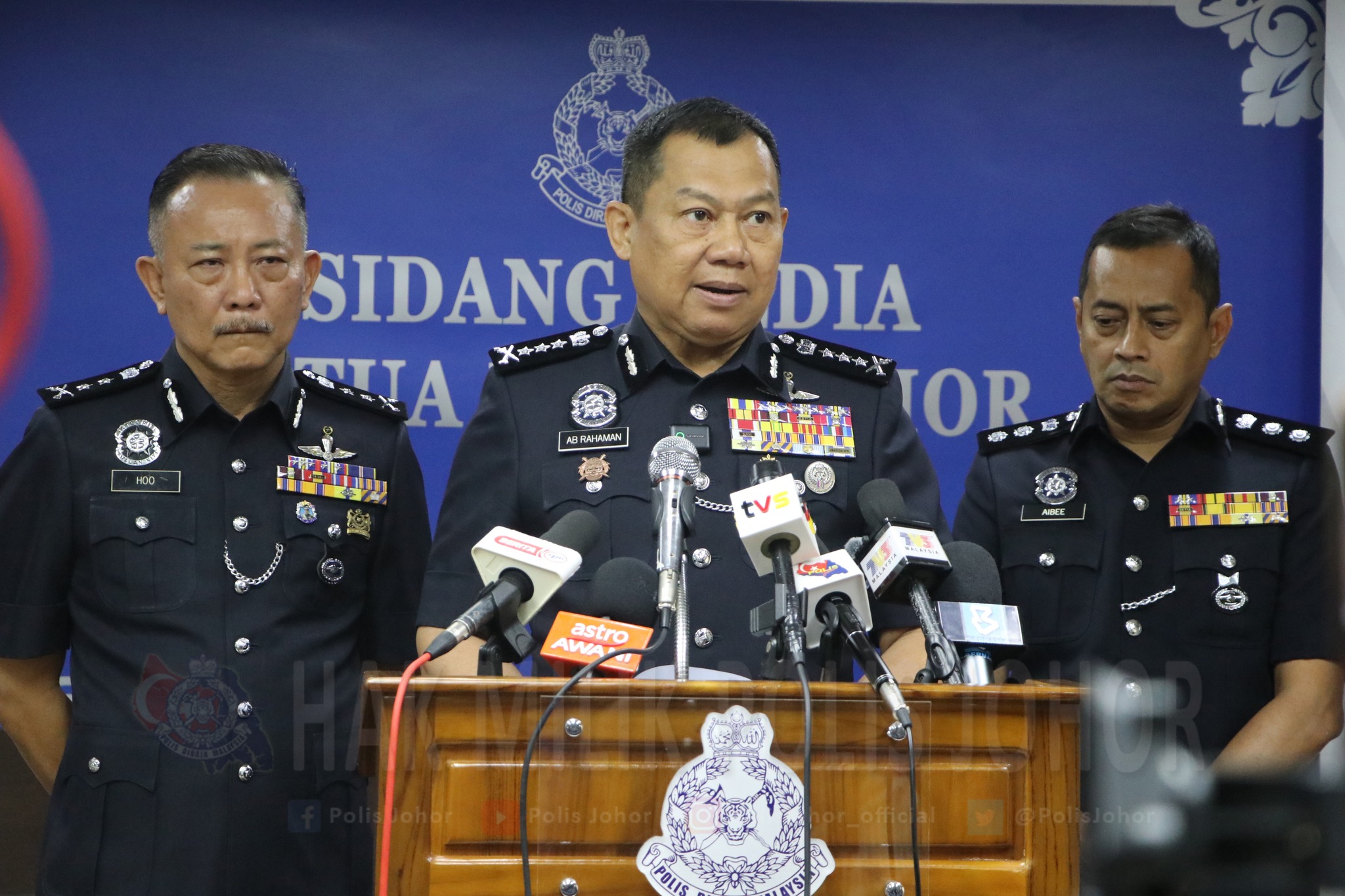
“The initial investigation revealed that the accounts were operating overseas,” Ab Rahaman stated at a press conference.
He added that some accounts had been active since 9th February.
The accounts prompted victims to enter personal information, such as bank account and phone numbers, via website links.
This data is thought to have been used to steal personal information.
“What is worrying is that this will also make the public think that all citizens can get BKJ, when it is only for those who are eligible,” he said.
He warned people not to be duped by such schemes.
The accounts are being investigated further to determine their true owners and any involved parties.
The Commercial Crime Investigation Department is collaborating with MCMC to suspend the accounts and websites immediately.
“We do not rule out the possibility of using multiple accounts as a planned strategy,” said Ab Rahaman.
He stated that the scam uses AI technology to impersonate high-profile individuals in order to increase public trust.
There have been no reported victims or financial losses.
The public is advised to avoid suspicious websites that use the state government symbol.
They should get their information from reputable official channels.
The case is being investigated under Sections 420/511 of the Penal Code and 233 of the Communications and Multimedia Act of 1998.