Every meal, every market trip, and every tap on a food delivery app is affected not only by global forces but also by habits at the table. This is the new reality of eating in Malaysia. Solid Waste Management and Public Cleansing Corporation (SWCorp) estimates that Malaysians waste around 17,000 tonnes of food every day[1]. A significant proportion of this waste is perfectly edible food that was purchased but not consumed. Beyond the environmental impact, food waste represents a financial loss that affects households, strains public infrastructure, and intensifies supply-demand pressures that drive higher prices.
A further concern is the shift towards cheaper, more heavily processed foods that offer caloric volume at lower cost, but significantly less nutritional value. Malaysia already carries one of the highest rates of obesity and diet-related non-communicable diseases in Southeast Asia, and greater dependance on processed foods risks will deepen these challenges. While this may ease short-term financial pressure, it creates long-term costs for both individuals and society.
Perhaps the most fundamental challenge is a cultural and psychological one: the gradual erosion of the understanding that food has inherent value, and that wasting it carries real consequences. As prices rise, this mindset becomes increasingly costly.
Our Collective Response
Rising food prices cannot be solved by a single stakeholder, but it requires a coordinated response in reducing waste, strengthening food systems and building resilience against price increases.
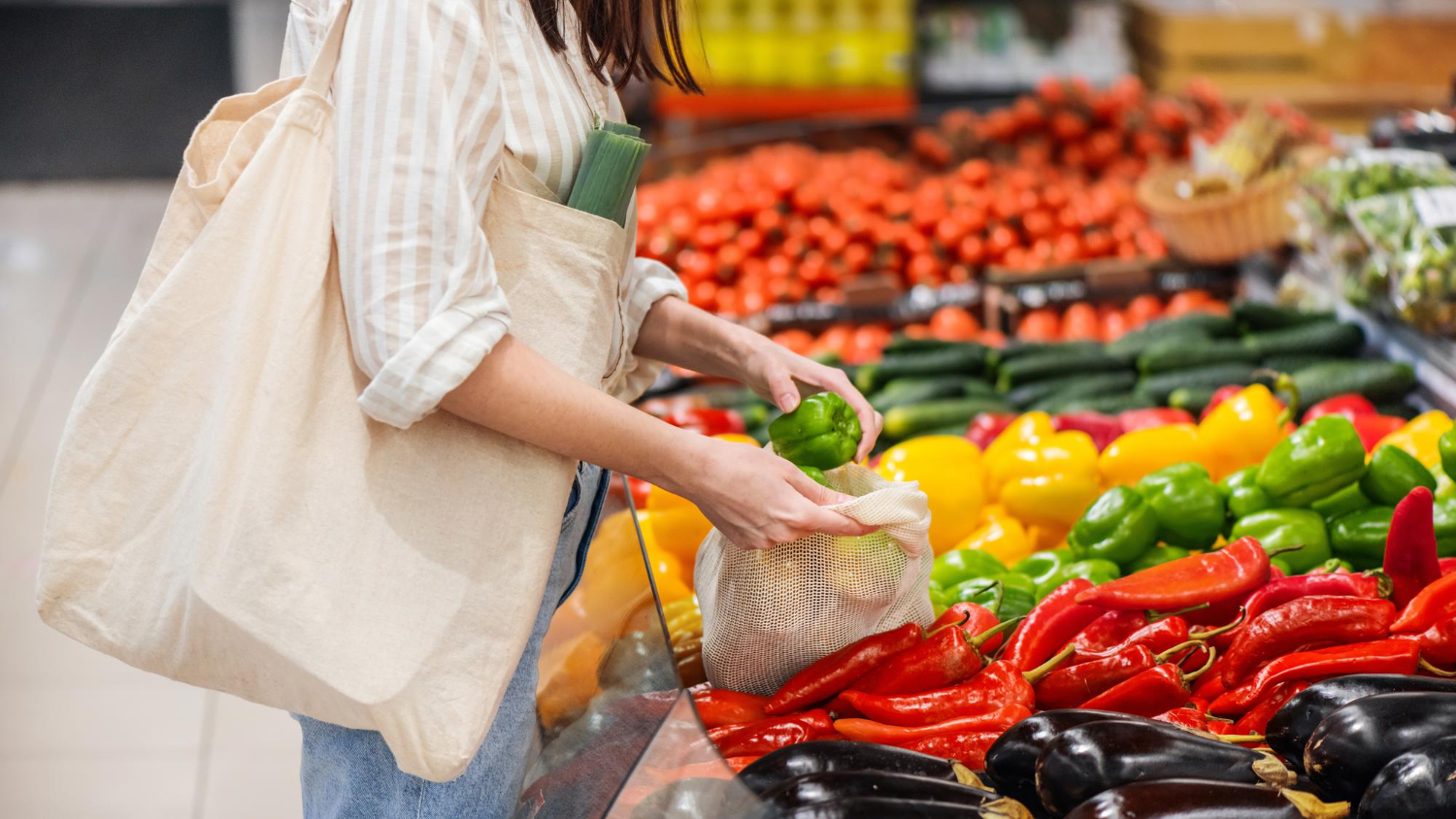
For consumers and households, the most impactful habit is to plan meals for the week. A shopping list aligned with a meal plan eliminates impulse buying, reduces food waste, and keeps spending predictable. It is also important to prioritise local and seasonal produce, as it reduces the exposure of household budgets to global price volatility, supports local food producers, and typically offers fresher food at lower cost than imported equivalents.
This can be paired with cooking at home, where even two to three home-cooked meals per week significantly reduces food expenditure. Home cooking allows direct control over ingredient quality, portion size, oil and salt content, and cost. We can also be mindful to reduce waste by storing food properly to extend its shelf life, repurposing leftovers and buying fresh produce in quantities proportionate to what will actually be consumed.
The food service and hospitality industry also has a responsibility to model sustainable food practices. Portion right-sizing, transparent ingredient sourcing, reduced food waste in kitchens, and the promotion of locally sourced menus are all within the reach of operators at every scale. Those who lead on these practices will be better positioned to absorb cost pressures while building genuine loyalty among a consumer base that is increasingly cost-conscious.
Policymakers have an influence in shaping the market to determine food affordability and security, such as introducing mechanisms to stabilise the price of raw ingredients and provide targeted incentives for the food and beverage sector. Equally important is the long-term investment in domestic food production capacity, as Malaysia’s heavy dependence on imported food and agricultural inputs cannot be addressed through subsidies alone.
Investment in research, sustainable farming practices, domestic fertiliser alternatives, and water-efficient agriculture will be essential to building the food security that Malaysia’s growing population will require. Finally, regulatory frameworks that encourage waste reduction across the supply chain, along with infrastructure investment in composting and food recovery, will yield dividends that far exceed their cost.
In a nation where food defines culture and community, it is also political, economic, and deeply consequential. Consumers need to make rational and an informed response to a changing environment. Institutions that invest in food literacy are building the resilience of future generations. Policymakers who support local producers and reduce import dependency are protecting the food security of the nation. The question now is whether Malaysians have the awareness and will to eat wisely, not only for households but for a food system that must sustain all of us through an increasingly uncertain world.
Dr Salini Devi Rajendran is an Associate Professor at Taylor’s Culinary Institute, Faculty of Social Sciences and Leisure Management at Taylor’s University.
————————————————————————–
[1] The Malaysian Reserve, 15 February 2022, Malaysia throws away 17,000 tonnes of food daily