Johor and Melaka are expected to receive 20 to 40% less rainfall when the country enters the Northeast Monsoon season at the end of this year as a result of the El Nino phenomenon, according to Malaysian Meteorological Department (MetMalaysia) Director-General Dr Mohd Hisham Mohd Anip.
The East Coast of Sabah may receive less rain due to its proximity to the Pacific Ocean, but states along the East Coast and north of the Peninsula are not expected to experience any significant effects until the end of the year, according to six-month projections, he added.
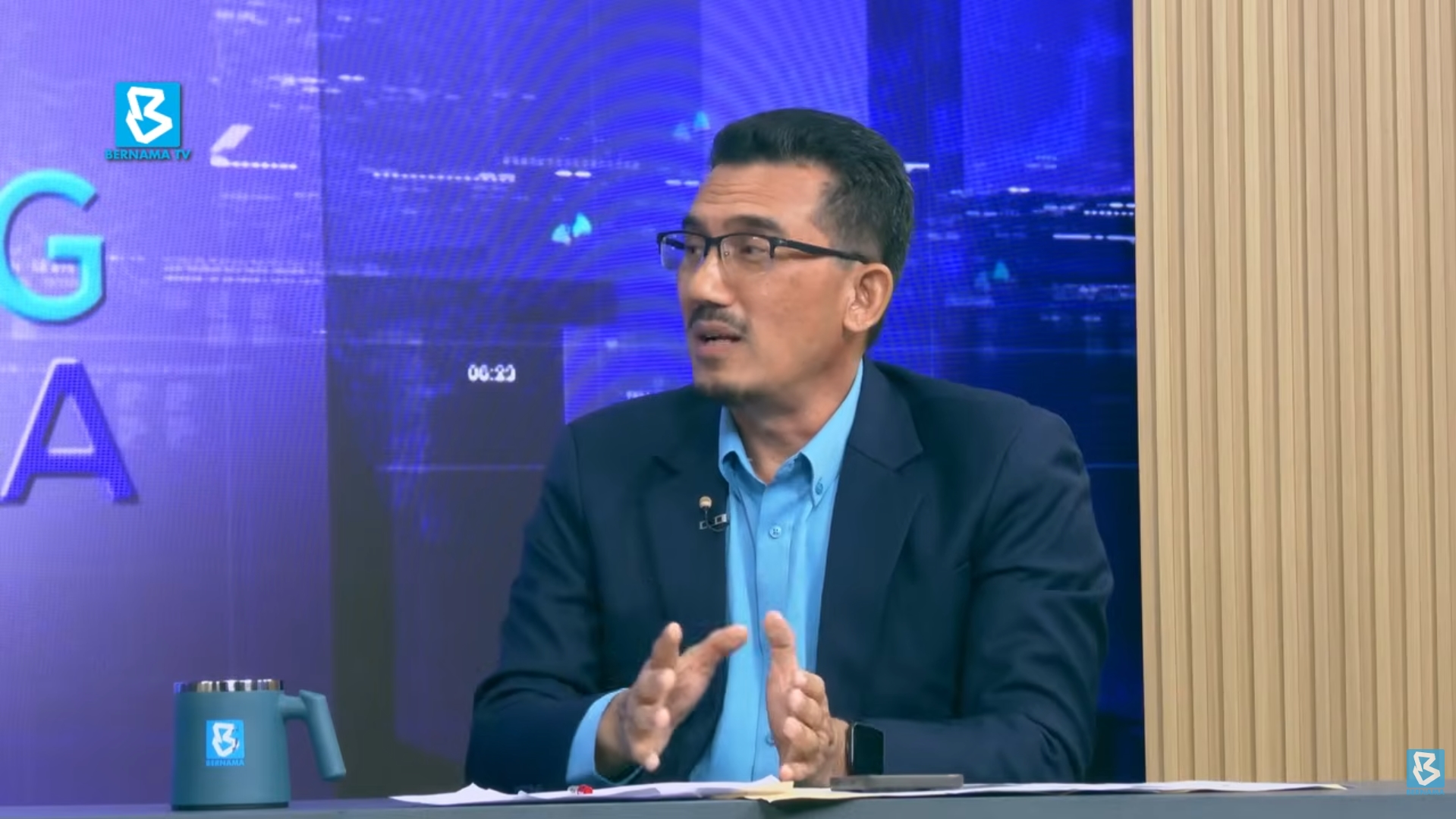
“Currently, from the information we have and rainfall projections from six months ahead, we don’t see significant effects on the East Coast until the end of the year,” he said as a guest on Bernama TV’s El Niño: Is Malaysia Ready? On 27th July 2026.
According to Mohd Hisham, the Northeast Monsoon typically begins late October or early November and lasts until late March, with the East Coast states receiving the most rainfall in November and December.
El Niño is expected to intensify towards the end of the Northeast Monsoon, peaking in early 2027. Temperatures above 35 degrees Celsius may occur from February to May, and possibly into June.
Perlis, Kedah, northern Perak, inland Kelantan, and parts of inland Pahang are known to experience high temperatures during strong El Niño episodes.
According to Mohd Hisham, Malaysia’s temperatures have been increasing by 0.19 degrees Celsius per decade since the 1980s due to global warming. A strong El Niño can cause temperatures to rise by up to 0.7 degrees Celsius above normal.
“If this El Niño is as strong as expected, the country’s highest temperature could surpass the record of 40.1 degrees Celsius recorded on 9th April 1998, with a potential temperature surge occurring between March and May 2027,” he said.
He stated that reduced rainfall and rising temperatures could have an impact on agricultural and livestock production, lower water levels in reservoirs and dams, and increase the risk of forest fires and transboundary haze.
To mitigate the impact of dry weather, he stated that the Malaysian Meteorological Department (MetMalaysia) provides technical support for cloud-seeding operations to increase water levels in catchment areas, though such operations can only be carried out when weather conditions are favourable.
“El Niño is a natural phenomenon and cannot be controlled. What MetMalaysia can do is provide information on the expected conditions,” he said, adding that the public should use water wisely and avoid open burning to reduce risks during hot and dry weather.


