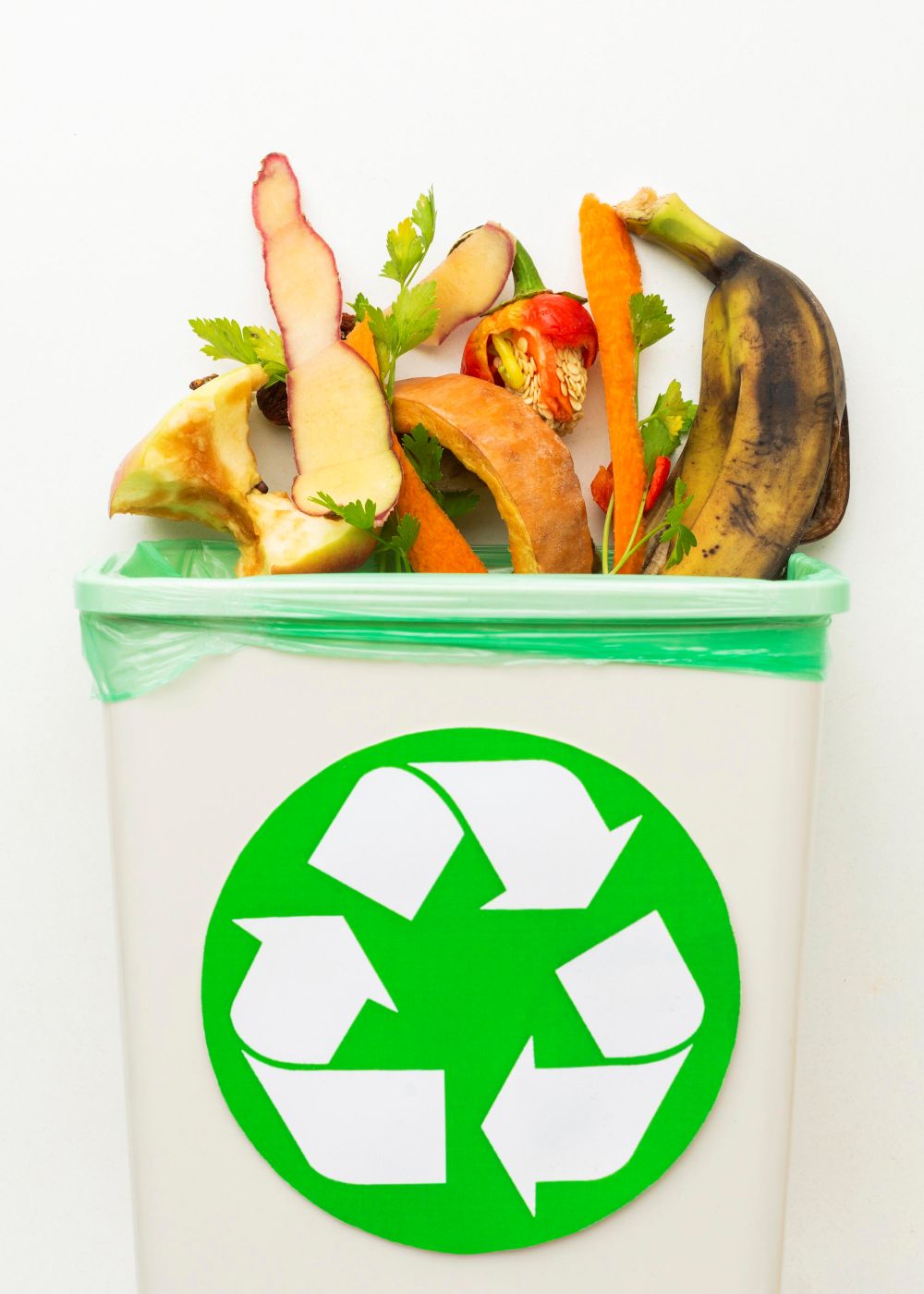
When we talk about tackling food waste, attention often turns to what happens at the end of the process. Surplus food is collected, redistributed or given another purpose rather than being discarded.
Food rescue plays an essential role in ensuring edible food does not go to waste. But as we mark the International Day of Awareness of Food Loss and Waste on 29th September 2026, we should pay just as much attention to preventing surplus as we do to rescuing it.
By the time food needs to be rescued, decisions have already been made about how much to purchase, produce and prepare. Some surplus is unavoidable. Demand changes, supply chains fluctuate and circumstances do not always unfold as planned. But better planning can reduce how much is generated.
In food production, seemingly small decisions matter. Ordering more ingredients than necessary, preparing quantities that exceed demand or using only part of an ingredient can each contribute to waste. Repeated across kitchens, businesses and households, these decisions add up.
Reducing food waste therefore, requires us to consider the entire journey of an ingredient. This means forecasting quantities more carefully, adjusting production to demand and making fuller use of what we already have.
It also means reconsidering what we call waste.
Food processing can produce by-products that are no longer required for their original purpose but still retain nutritional or functional value. Okara, the pulp remaining after soybean processing, is one example. Its properties allow it to be incorporated into other foods, including noodles, sauces and dumplings, giving the by-product another useful application.
For those of us involved in food product development, examples like this encourage a different way of thinking. Instead of seeing the end of an ingredient’s original use as the end of its value, we can consider what purpose it might serve next.
However, finding new applications for surplus is only one part of the solution. Sometimes the intervention can be much simpler.
A kitchen that forecasts demand more accurately and prepares closer to what is required may avoid unnecessary excess before it needs to be redistributed, repurposed or discarded. This may be less visible than rescuing food, but it is no less meaningful.
That is also why we need to think more broadly about how progress is measured.
Food that is rescued or redistributed can be counted. Waste that never occurred is harder to see. Yet ingredients purchased more carefully, resources used more fully and surplus avoided through better planning are also signs of progress.
This does not diminish the importance of food rescue. There will always be edible surplus that needs to be redirected, and organisations doing this work remain essential. Rather, prevention, redistribution and value creation should complement one another.
Responsibility also extends across the food system. Businesses can identify where unnecessary surplus occurs in their operations. Researchers and food innovators can find new applications for underutilised ingredients and by-products. Community organisations can connect available resources with actual needs.
Education has a role to play as well. Future chefs, food innovators and entrepreneurs should learn to consider waste prevention as part of responsible food production, rather than something addressed only after surplus has been created.
Food rescue will remain an important part of the solution. But meaningful progress also lies in what never becomes waste at all.
Tracy Wong Fang Lian is a Lecturer at Taylor’s Culinary Institute, Faculty of Social Sciences and Leisure Management, Taylor’s University, and a member of the Food Security and Nutrition Impact Lab. She specialises in sensory science, food product development and food education.


