A brain tumour can be life-altering, not just because of its seriousness but also because it often goes unnoticed until it starts interfering with basic bodily functions. Recognising the early signs can make a crucial difference in diagnosis and treatment outcomes. Understanding how a brain tumour affects the body is key to knowing when to seek medical attention.
What causes the symptoms of a brain tumour?
A brain tumour produces symptoms because of its location, size, and growth rate. As the tumour grows, it may press against or infiltrate healthy brain tissue. This pressure can interfere with the brain’s normal functioning, disrupt communication between nerve cells, and obstruct the flow of cerebrospinal fluid, causing swelling (oedema) and increased pressure inside the skull (intracranial pressure). These disruptions are what produce the warning signs of a tumour.
Most common signs and symptoms
The symptoms of a brain tumour can vary widely, but there are several common warning signs to watch for:
- Persistent or worsening headaches, especially in the early morning or at night
- Nausea or vomiting unrelated to other illnesses
- Vision problems such as blurred vision, double vision, or loss of peripheral vision
- Seizures (in someone with no previous history of seizures)
- Weakness or numbness in the limbs or face, typically on one side of the body
- Difficulty with balance, coordination, or walking
- Confusion, memory issues, or personality changes
- Speech difficulties – trouble speaking or understanding language
These symptoms may appear subtly at first but often become more noticeable as the tumour progresses.
Symptoms that can be mistaken for other conditions
Some symptoms of brain tumours are commonly misattributed to more benign causes. For example, headaches may be dismissed as stress or migraines. Memory lapses or confusion may be seen as normal aging. Mood changes or irritability can be confused with psychological stress. Fatigue or balance problems might be attributed to poor sleep or lack of exercise. This overlap can delay diagnosis, which is why it’s important to be vigilant when such symptoms persist or worsen.
How tumour location affects symptoms
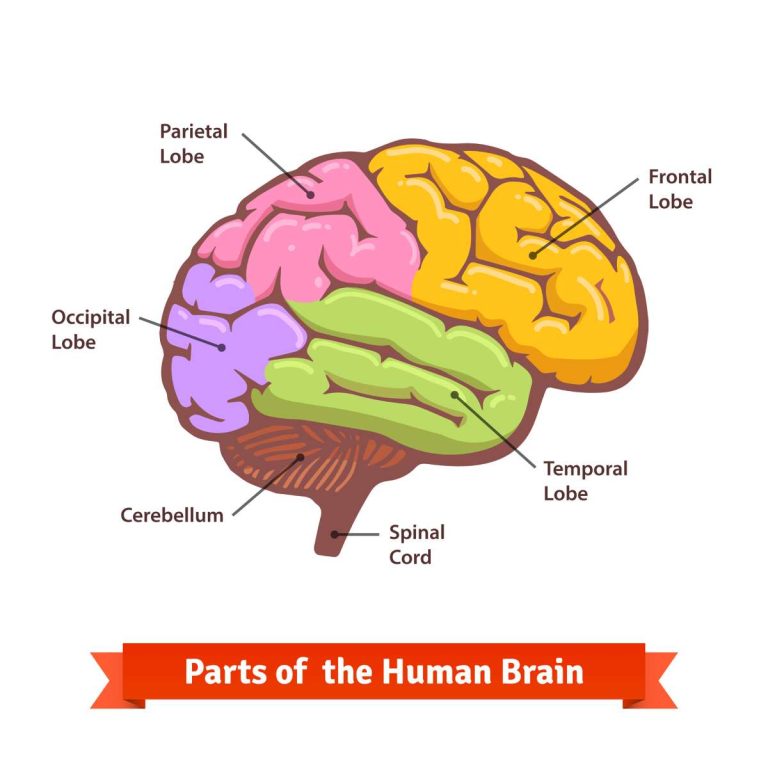
The brain is a highly specialised organ, and different areas control different functions. Therefore, the location of a tumour greatly influences the type of symptoms a person experiences. Tumours in the frontal lobe may cause personality changes, loss of inhibition, or motor weakness. Tumours in the temporal lobe may lead to memory issues or speech problems. A parietal lobe tumour can affect spatial awareness and cause motor weakness. Tumours in the occipital lobe often affect vision. Tumours in the cerebellum can cause dizziness, balance problems, difficulty walking, and affect coordination. A tumour in or near the brainstem can affect breathing, heart rate, and swallowing, often requiring immediate medical attention.
Do symptoms develop suddenly or gradually?
In many cases, brain tumour symptoms develop slowly over time. A person might start noticing subtle changes, like occasional headaches or forgetfulness, that gradually intensify. However, in some cases, especially with fast-growing tumours, symptoms can appear suddenly, such as the abrupt onset of seizures or vision loss.
What’s important is to watch for patterns. If symptoms are progressively worsening, happening more frequently, or affecting daily life, they should not be ignored.
When to seek urgent medical attention
Certain symptoms should be treated as red flags and warrant immediate medical attention or a brain scan:
- A first-time seizure
- Persistent, severe headaches that don’t respond to usual medication
- Sudden vision loss or double vision
- Progressive weakness or numbness, especially on one side of the body
- Rapid changes in behaviour or cognitive ability
- Loss of consciousness
- Prompt imaging, typically an MRI or CT scan, is crucial in evaluating whether a tumour or another neurological condition is the cause.
Differences across age groups
Brain tumour symptoms can vary by age. In children, signs may include vomiting (especially in the morning), unsteady walking, a bulging soft spot on the skull, irritability, or developmental delays. In adults, symptoms often involve cognitive changes, persistent headaches, or seizures. In older adults, symptoms like memory loss or confusion are sometimes mistaken for dementia, and motor weakness may be confused with stroke-related changes. Caregivers should be alert to new or unexplained changes, especially when symptoms do not align with a known medical condition or fail to improve with treatment.
Why early detection matters
Early detection of a brain tumour can significantly improve treatment options and outcomes. A smaller tumour may be easier to remove surgically and may respond better to radiation or chemotherapy. It can also reduce the risk of irreversible damage to brain tissue.
Delaying a diagnosis not only limits treatment choices but can lead to permanent neurological deficits or complications that affect quality of life. If you or someone you know experiences unusual or persistent neurological symptoms, don’t wait—consult a medical professional promptly.
——————————-
By Dr Ariz Chong Abdullah @ Dr. Chong Chee Yong
Consultant Neurosurgeon
Columbia Asia Hospital – Iskandar Puteri